

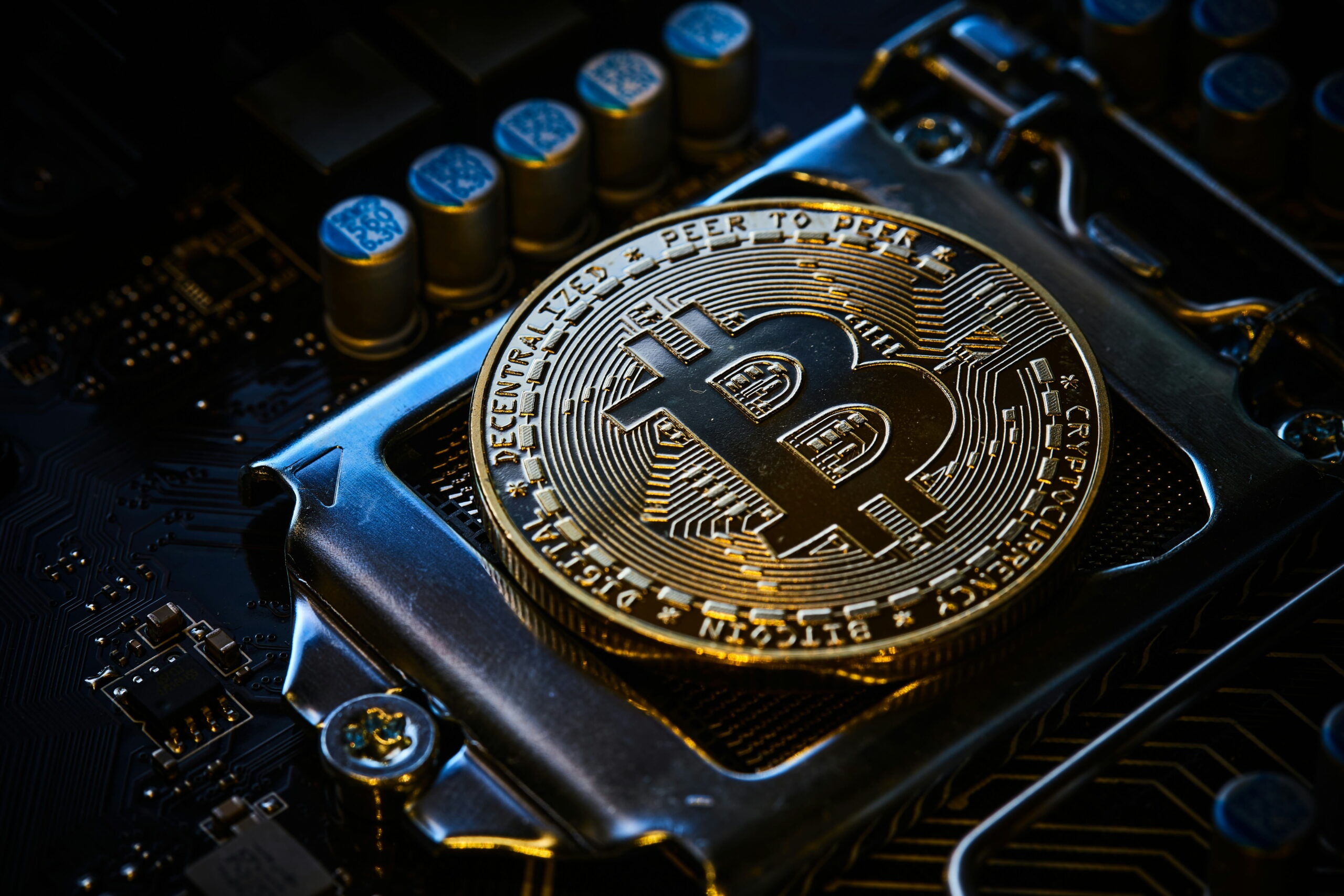
Bitcoin: What It Is, How It Works, and Why It Matters in 2025
You have probably heard the word Bitcoin more than once — on the news, from a friend, or maybe in a trending social media post. Some people call it the future of money. Others call it a risky gamble. But what exactly is Bitcoin, and should you care about it?
This guide breaks everything down in plain, simple English. No complicated finance terms. No confusing tech jargon. Just honest, clear answers to the questions most people have about Bitcoin.
What Is Bitcoin?
Bitcoin is a type of digital money. Unlike the paper notes or coins in your wallet, Bitcoin exists only online. There is no bank behind it, no government printing it, and no single person controlling it. It runs on a technology called the blockchain — a shared, public record book that anyone can check.
Bitcoin was created in 2009 by someone using the name Satoshi Nakamoto. Nobody knows if this is a real person, a group of people, or a made-up identity. That mystery is one of the most interesting parts of Bitcoin’s story.
The total number of Bitcoins that will ever exist is capped at 21 million. As of 2025, about 19.7 million have already been mined. This limited supply is one reason people treat Bitcoin like digital gold.
How Does Bitcoin Work?
Think of Bitcoin like sending an email — but instead of a message, you are sending money. Here is a simplified look at how a Bitcoin transaction actually works:
Step-by-Step: A Bitcoin Transaction
- You open your Bitcoin wallet (an app on your phone or computer).
- You enter the recipient’s Bitcoin address — a long string of letters and numbers.
- You send the Bitcoin. The request goes out to the network.
- Thousands of computers (called nodes) around the world check and verify the transaction.
- Once confirmed, the transaction is added permanently to the blockchain.
- The recipient now has the Bitcoin in their wallet.
The whole process usually takes around 10 to 30 minutes. There are no banks involved, no waiting days for a wire transfer, and no one can reverse or fake the transaction after it is confirmed.
What Is Bitcoin Mining?
Bitcoin mining is the process of creating new Bitcoins and verifying transactions. Miners are people (or companies) who use powerful computers to solve complex math problems. When they solve one, they add a new block of transactions to the blockchain and earn a small reward in Bitcoin.
Key Facts About Mining
- Mining requires a lot of electricity and expensive hardware.
- The math problems get harder as more miners join the network.
- Every four years, the Bitcoin reward for mining is cut in half — this is called the halving.
- The most recent halving happened in April 2024, cutting the reward from 6.25 BTC to 3.125 BTC per block.
- Halvings historically push Bitcoin’s price higher due to reduced new supply.
Bitcoin vs. Traditional Money: A Simple Comparison
Many people wonder how Bitcoin stacks up against regular cash or bank accounts. Here is a side-by-side look:
| Feature | Bitcoin | Traditional Money (USD/EUR etc.) |
|---|---|---|
| Who controls it? | No one — it is decentralized | Central banks & governments |
| Supply limit | Fixed at 21 million BTC | Can be printed without limit |
| Transfers | Peer-to-peer, no middleman | Goes through banks |
| Transaction speed | 10–60 minutes (varies) | Instant to 3–5 business days |
| Privacy | Pseudonymous (not fully anonymous) | Tied to personal identity |
| Global access | Anyone with internet can use it | Restricted by country & banking |
Why Do People Buy Bitcoin?
People invest in Bitcoin for many different reasons. Here are the most common ones:
- Store of value: Some see Bitcoin like digital gold — a safe place to park money against inflation.
- Investment: Bitcoin has grown from less than $1 in 2010 to over $60,000 at various peaks. Many early buyers became millionaires.
- Sending money abroad: Bitcoin lets you send money internationally without high bank fees.
- Financial freedom: In countries with unstable currencies or strict banking rules, Bitcoin offers an alternative.
- Belief in decentralization: Some people genuinely believe money should not be controlled by any government or bank.
Bitcoin Price History: Key Milestones
| Year | Approximate Price (USD) | Major Event |
|---|---|---|
| 2010 | $0.003 – $0.30 | First real-world transaction (10,000 BTC for 2 pizzas) |
| 2013 | $13 – $1,100 | First major bull run; media attention begins |
| 2017 | $1,000 – $19,783 | Retail investor boom; ICO craze |
| 2021 | $29,000 – $69,000 | All-time high; institutional adoption surges |
| 2024 | $40,000 – $73,000 | Bitcoin ETF approved in the U.S.; new ATH set |
| 2025 | $60,000 – $100,000+ | Post-halving cycle; growing mainstream adoption |
Risks of Investing in Bitcoin
Bitcoin is not without its downsides. Before you put any money into it, you should understand the real risks involved:
Main Risks to Know
- High volatility: Bitcoin’s price can drop 30–50% in a matter of weeks. It goes up fast, but it comes down fast too.
- No insurance: If you lose access to your wallet or get hacked, no bank or government will refund you.
- Regulation uncertainty: Some countries have banned or heavily restricted Bitcoin. Laws can change quickly.
- Scams and fraud: The crypto space is full of fake investment schemes, phishing attacks, and pump-and-dump scams.
- Environmental concerns: Bitcoin mining uses a huge amount of electricity, raising questions about its carbon footprint.
A general rule many advisors suggest is: Never invest more than you can afford to lose completely. Bitcoin can be a small part of a diversified portfolio — not your entire savings.
src=”https://pl29532160.effectivecpmnetwork.com/d90a6678907e199ae69d17af017097b8/invoke.js”>
How to Buy Bitcoin Safely
If you decide you want to get started, here is a basic, safe path to buying Bitcoin:
- Choose a reputable exchange such as Coinbase, Binance, or Kraken.
- Create an account and complete identity verification (KYC).
- Link your bank account or debit card.
- Buy the amount of Bitcoin you want — even a fraction of one Bitcoin (called a satoshi).
- For larger amounts, move your Bitcoin to a hardware wallet for extra security.
- Never share your private key or seed phrase with anyone.
src=”https://pl29532160.effectivecpmnetwork.com/d90a6678907e199ae69d17af017097b8/invoke.js”>
The Future of Bitcoin
Bitcoin is no longer just a fringe experiment. In 2024, the U.S. Securities and Exchange Commission (SEC) approved the first Bitcoin spot ETFs, allowing ordinary investors to buy Bitcoin exposure through traditional stock brokers. Countries like El Salvador have adopted Bitcoin as legal tender. Major companies like MicroStrategy hold billions worth of Bitcoin on their balance sheets.
Critics still question its long-term value. Supporters believe it could one day replace gold as the world’s reserve asset. The truth likely lies somewhere in the middle — Bitcoin will probably continue to evolve, face regulatory challenges, and remain a polarizing topic in finance for years to come.
What is clear is this: Bitcoin is no longer a topic you can simply ignore. Whether you invest or not, understanding it helps you navigate the financial world of the 2020s.
Final Thoughts
Bitcoin is a bold experiment in what money can be. It is decentralized, transparent, limited in supply, and accessible to anyone with an internet connection. It has made some people very wealthy and caused others significant losses.
The smartest approach is to learn before you leap. Understand what you are getting into, only risk what you can afford to lose, and keep your holdings secure. Bitcoin is not magic money — but for millions of people around the world, it represents something genuinely new: the chance to own money that no one else can control.